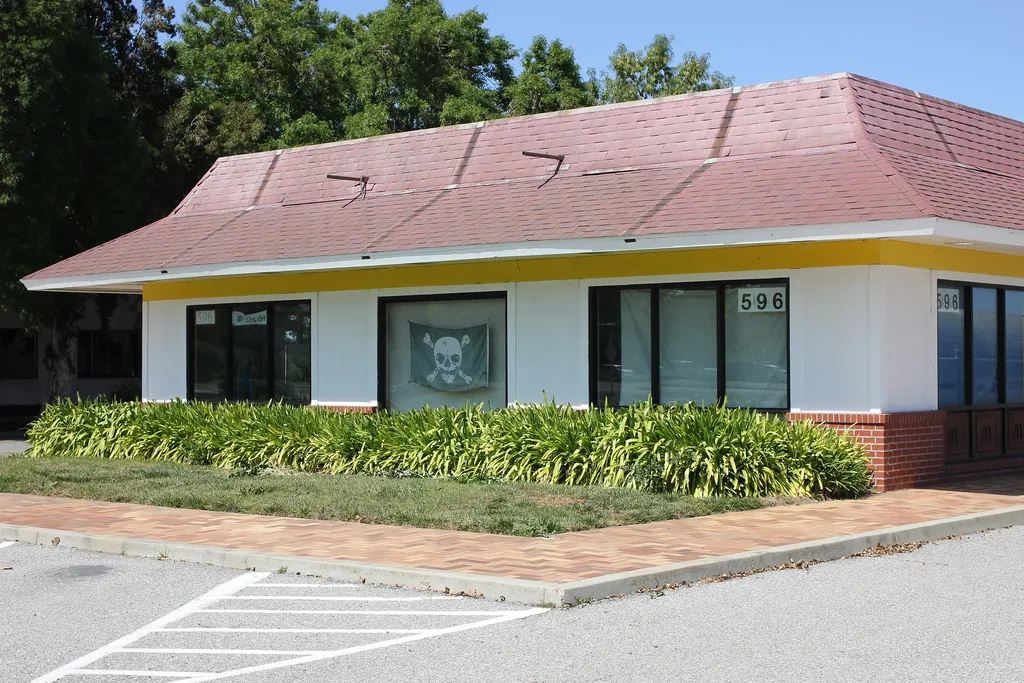
I’ve spent the past week in Mountain View, California, hanging out with a group of Lunar Orbiter Image Recovery Project (LOIRP) hackers who are working out of an abandoned McDonald’s on the NASA Ames base.
For more than five years, LOIRP technologists (or techno-archeologists, as they prefer to be called) have been reverse-engineering analog tape drives and developing new software in an attempt to unearth some of the first images of the moon that were taken by unmanned lunar orbiters in advance of the manned Apollo missions of the late 1960s.
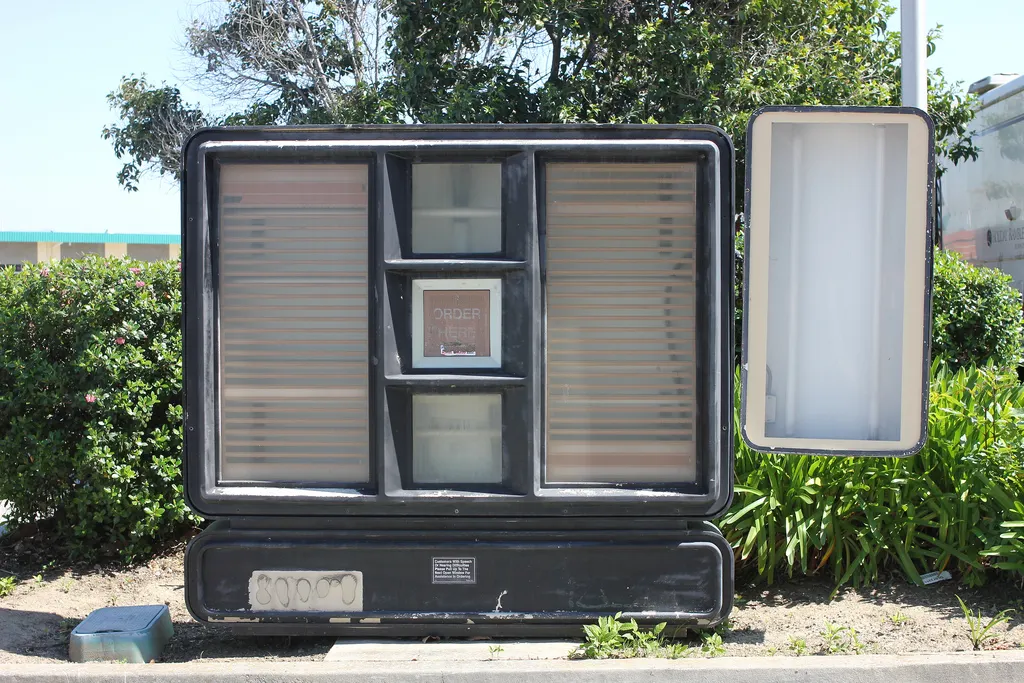
Upon entering the building (affectionately called “McMoon’s” by those who work within it) for the first time, I was greeted by familiar architecture. The drive-thru windows, menu light boxes, stainless steel counters, fiber glass tables and the ghosts of corporate brand ephemera all remain. However now they coexist under a jolly roger with a literal mountain of vintage 2-inch tape reels that contain trapped data, refrigerator-sized Ampex tape drives, an army of Mac workstations and a seemingly endless supply of analog tape decks, monitors, cables and soldering supplies.
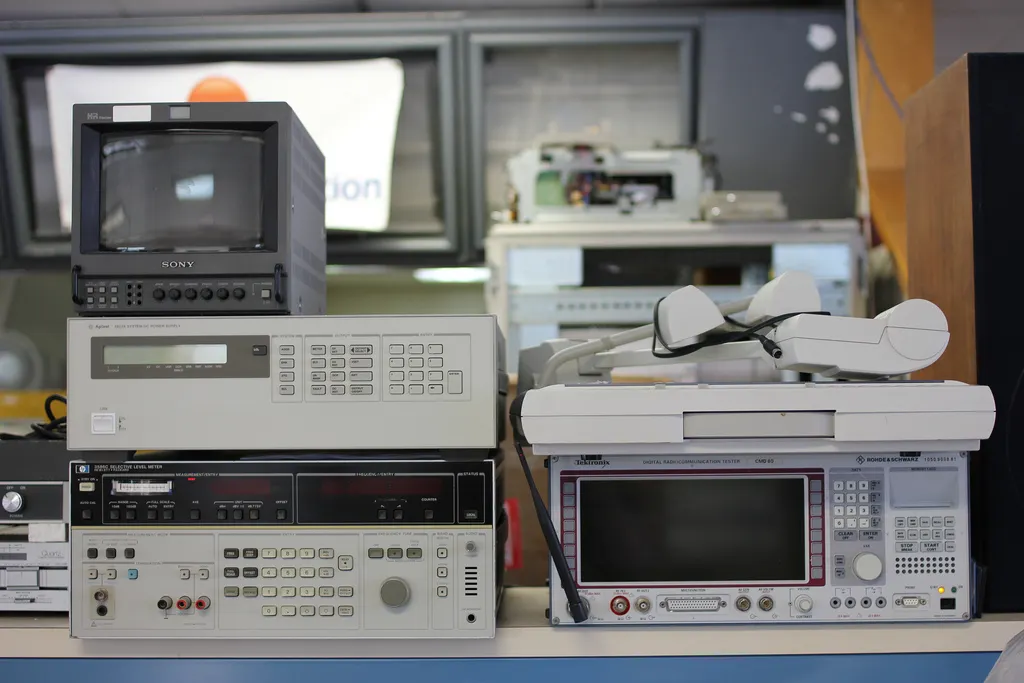
A recurring theme running through my discussions with LOIRP hackers was a concept they coined called techno-archeology. The success of LOIRP hinges on the group’s ability to free image data housed within the obsolete medium of 2-inch video tape.
In order to do this, they were required to excavate and replicate the processes and hardware utilized by technologists more than 50 years ago. We’re talking about an era in which the world’s largest super computer housed a fraction of the power our consumer laptops now possess. One might think today’s computing power would make this task an easy one, however the team is operating completely at the mercy of five-decades-old tech.
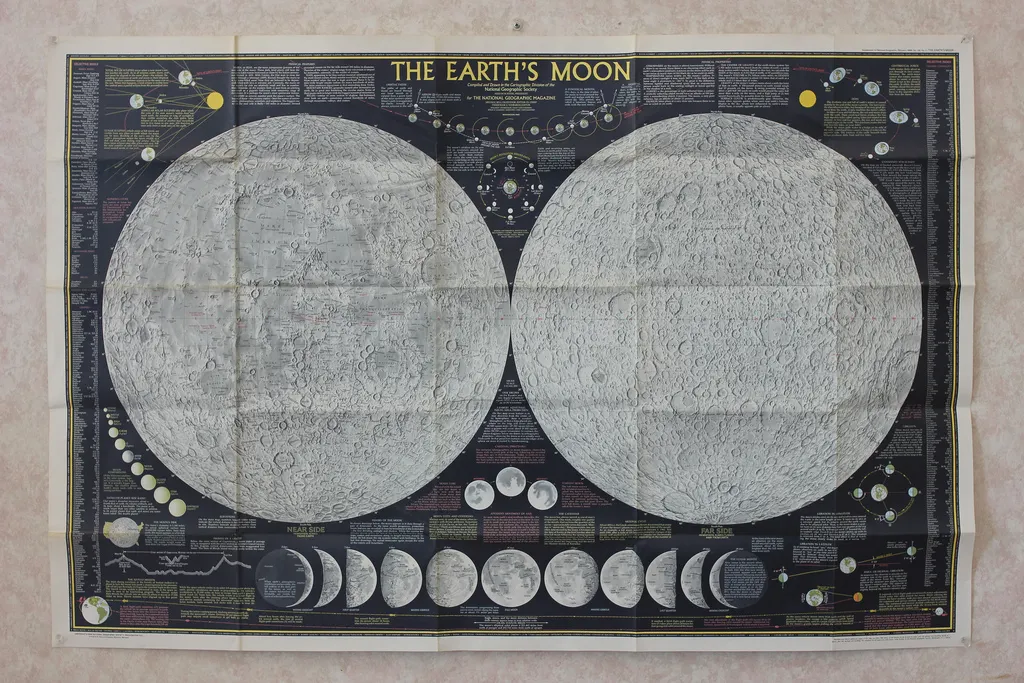
The LOIRP team at McMoon’s is doing some amazing work and I recommend anyone interested astronomy and technology check out what they’re up to. Big thanks to Dennis, Keith, Austin, Ken and Marco for hosting us.
If you enjoyed the photos in this post, you can see the full set over on Flickr. For now though, I’ll close with an image that isn’t mine. This Earth Rise image is one of my personal favorites of the lot recovered by LOIRP. Seeing this image in this ultra-high resolution makes me long for outer space with childish abandon. It also makes me realize just how small our place in the universe is.